Description
There are rare cases in which the memory of an artist has merged to such an extent with a single city as to become a consistent part of his artistic identity. Matteo Civitali is the Lucchese author par excellence as well as a refined interpreter of a very particular historical and cultural period such as the second half of the fifteenth century.
Through grace and measured attention to detail, he has created extraordinary masterpieces in which tenderness and severity, rigor and naturalness coexist.
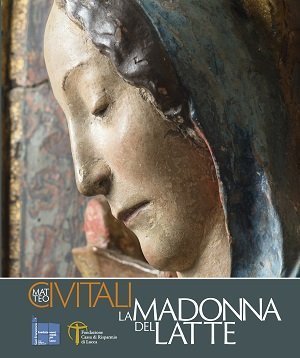
Characteristics that can also be recognized in his Madonna del latte, a wonderful polychrome terracotta that the Fondazione Cassa di Risparmio di Lucca has recently purchased and which will soon find its ideal location in the exhibition rooms of the National Museum of Villa Guinigi, to which the Foundation will grant the work on loan.
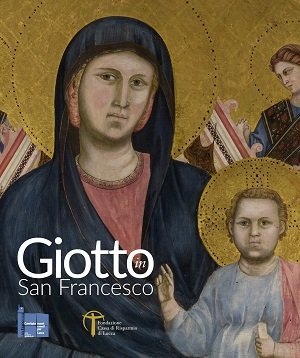
And it was precisely from a discussion with the Museum and the New Events Committee for Lucca that the idea of this temporary exhibition in the evocative environment of the San Franceschetto was born, a year after Giotto’s remarkable success in San Francesco: a unique opportunity to combine terracotta with a painting that has an interesting and discussed relationship with Civitali and which, thanks to the availability of the Banca del Monte, can be admired in a fascinating comparison between different techniques.
Enhancing the history, art and culture of Lucca and its territory is an “institutional vocation” of the Cassa di Risparmio Foundation, pursued in different ways. In this sense, even the Foundation’s collection should not be understood as a private and confidential collection: in fact, the whole of Lucca embraces another masterpiece by its most representative artist, returned to a wide range of use with its next location at the Villa Guinigi museum.
A happy return that will certainly be a stimulus to a further enhancement of the figure of Matteo Civitali, as well as a starting point for other interesting initiatives that, also through the involvement of institutions, produce an effective and concrete cultural growth for the territory.